An Airbnb Guest Favorite in the top 5% of homes, hosted by a Superhost and rated 4.99 across 81 stays.


What the tide reveals
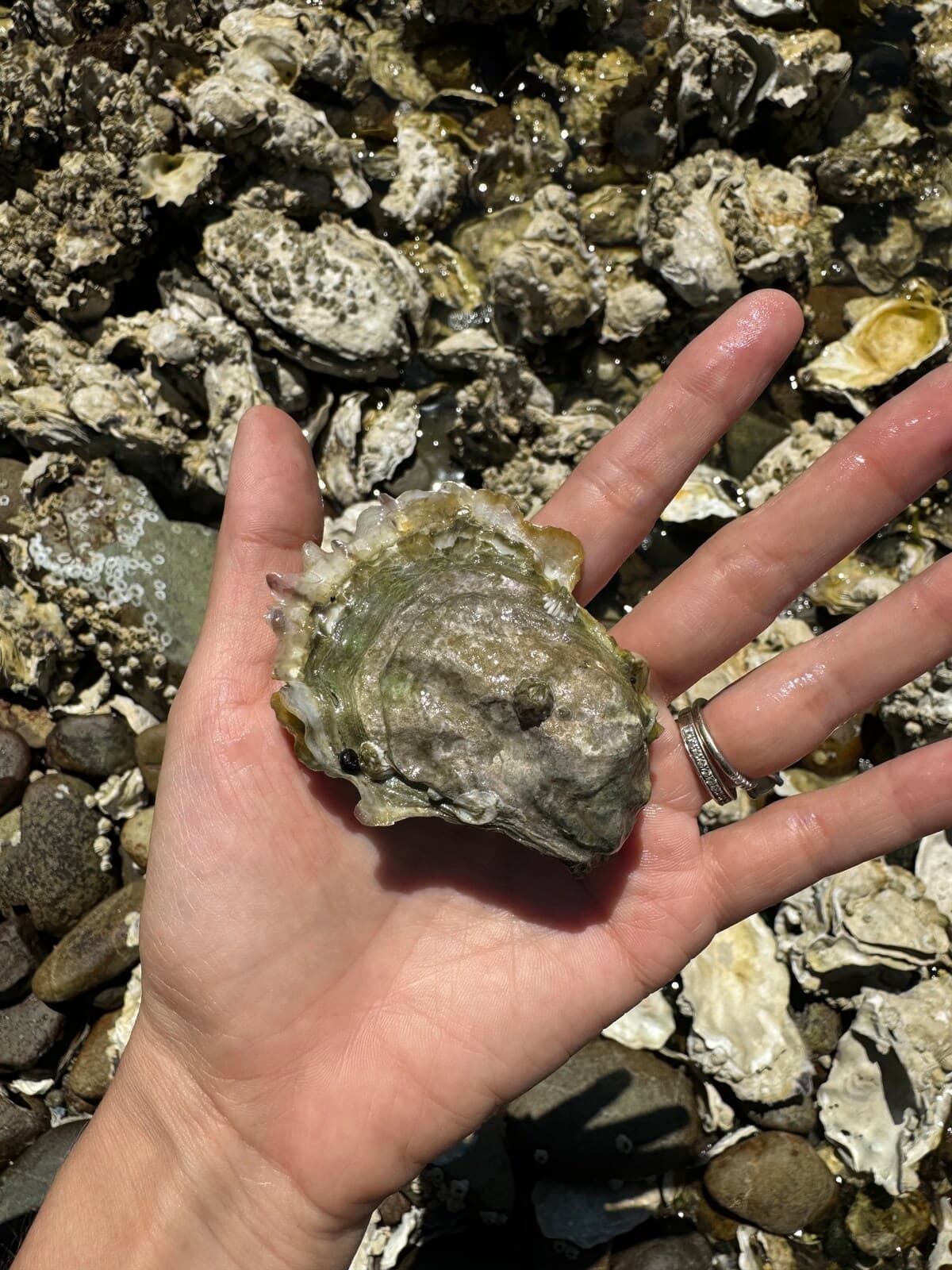
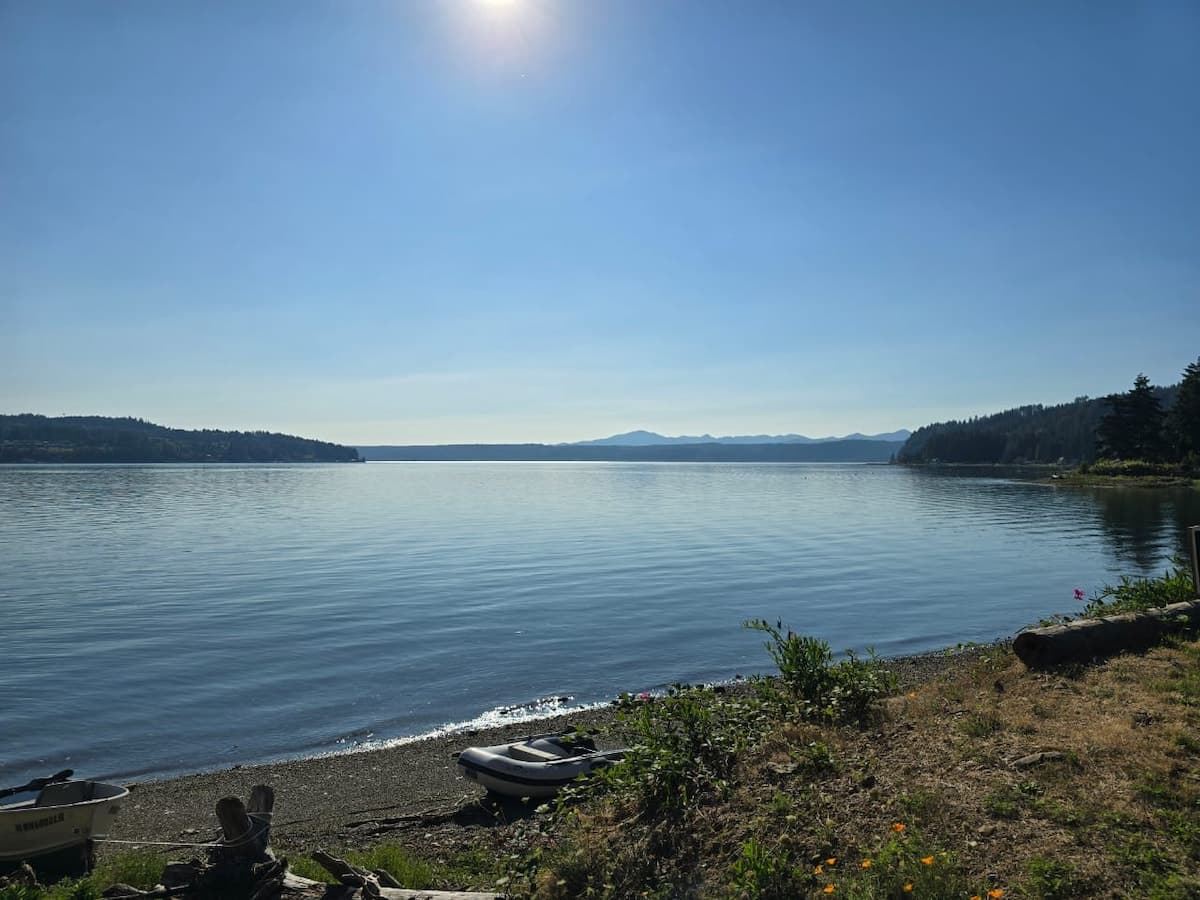
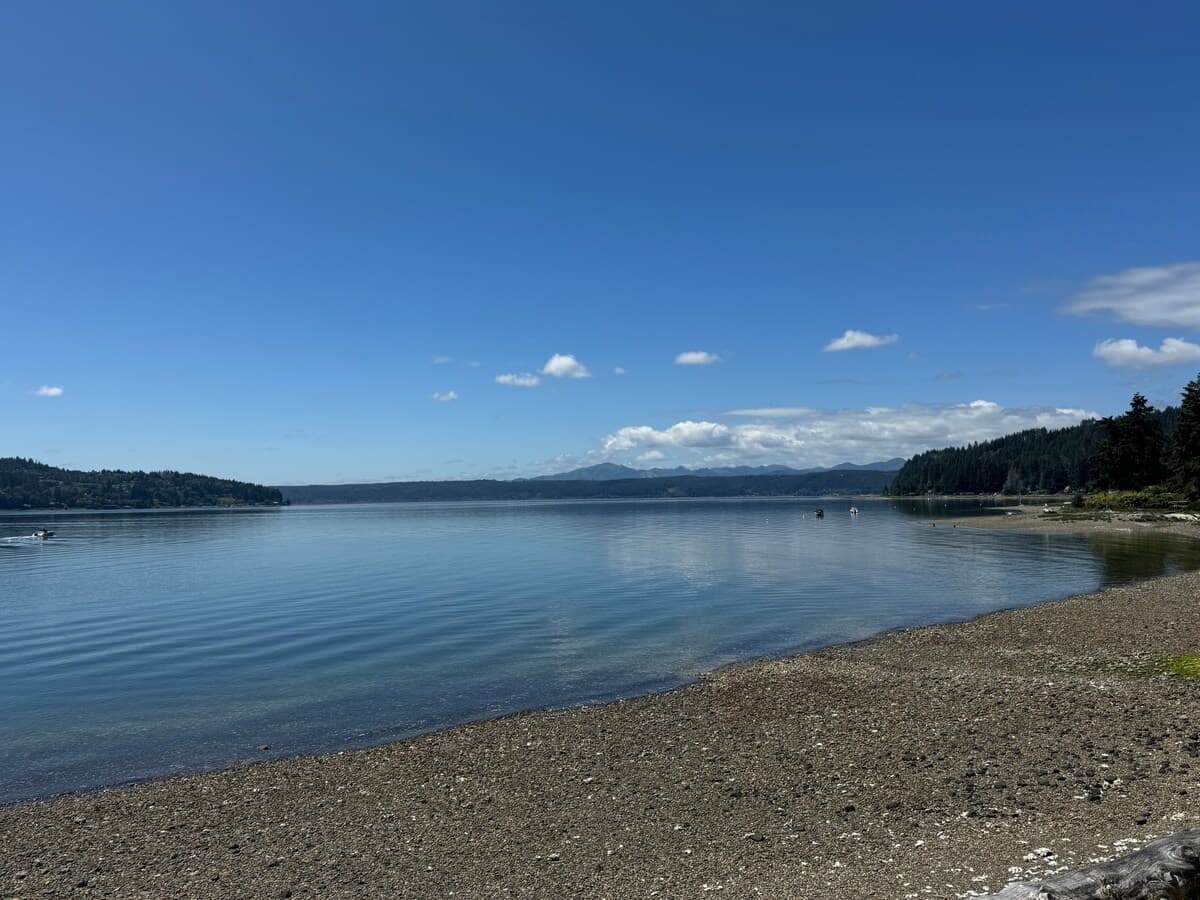
At low tide the beach in front of the cabin uncovers a working oyster bed. It happens twice a day, and the difference between high and low water is most of the character of the place. At high tide you are looking at flat water and the Olympic Mountains behind it. A few hours later the oyster bed is out, where the water used to be.
The beach is private, shared only with our neighbors, with no public access, and it is about fifty steps from the door to the beach. Guests write about walking it with their kids and finding oysters and clams. One review recommends bringing water boots, because the bed of oysters is hard to walk on. Guests also see seals, bald eagles and herons.
Can you harvest oysters and clams on Hood Canal?
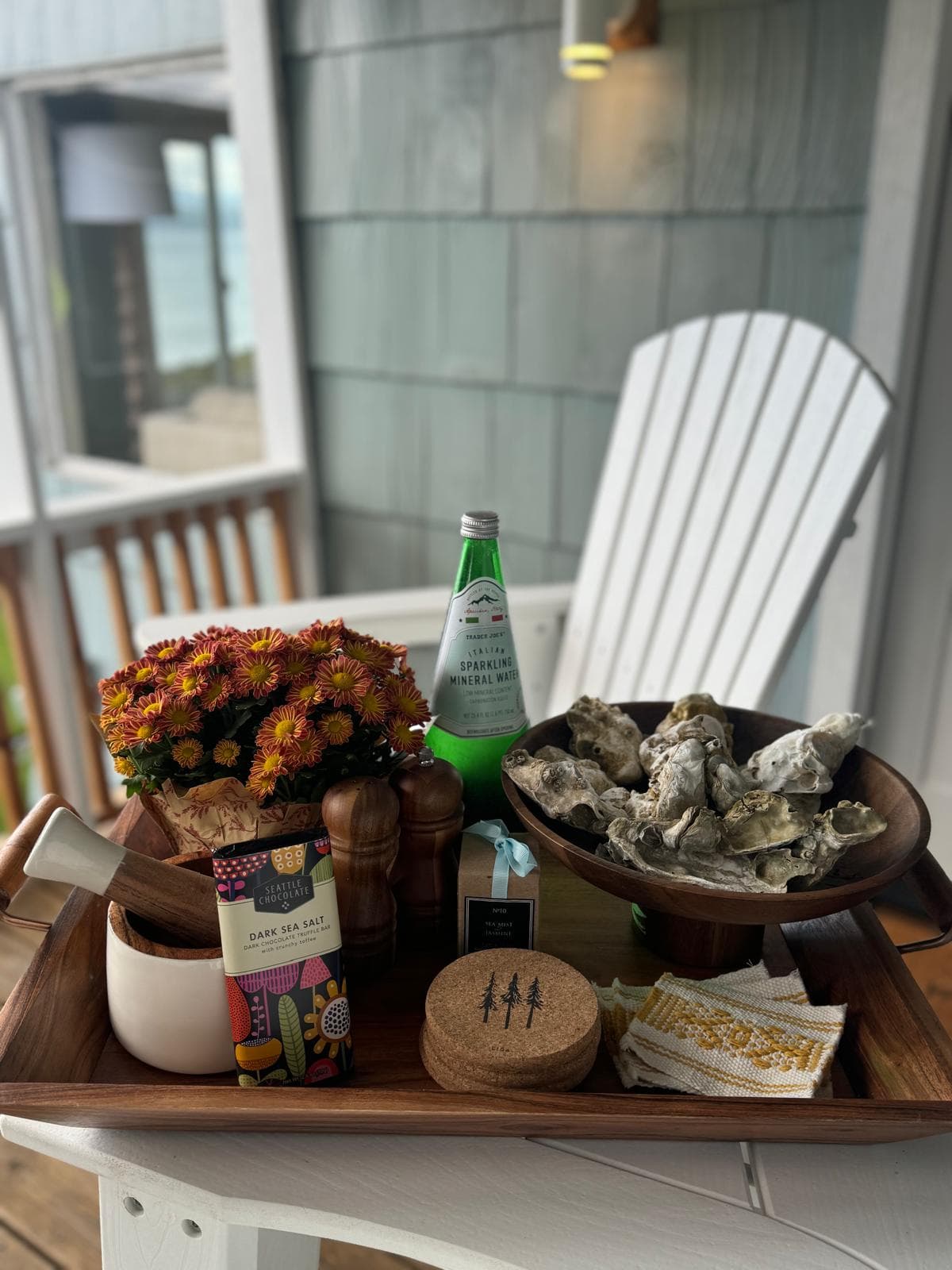
Only when the rules say so on the day you are standing there, because harvesting shellfish in Washington is governed by two separate state agencies and both have to be clear first.
The first agency is the Washington Department of Fish and Wildlife, which sets the harvest rules. WDFW states that a valid shellfish/seaweed or combination fishing license is required, and its licensing page says residents and non-residents alike must have a license to fish or shellfish in Washington waters, with everyone age 16 and older needing one. Seasons vary by beach, and WDFW notes that beyond licenses and seasons there are minimum size limits, daily limits and further regulations, with harvesters responsible for knowing them before they go. For a public beach, WDFW's rule is that both the Department of Health status and the WDFW season must be OPEN before harvest is safe and legal.
WDFW also asks harvesters to identify species correctly, to leave oyster shells on the beach, and to refill dig holes, which it says helps prevent damaging habitat and killing clams. Each harvester must use a separate container and must be actively taking part in the gathering.
On ownership, WDFW states that in Washington most state recreational harvest regulations do not extend to shellfish harvest on private tidelands for personal use. We cannot give legal advice on what that means for you, but we are glad to share what we know about this stretch of tideland before you come; just email us. Our beach is private and shared with neighbors, and if you are thinking about harvesting anything, read the WDFW pages linked below and send us a message first.
The second agency is the Washington State Department of Health, which handles safety rather than seasons. DOH publishes a Shellfish Safety Map of beach closures and advisories, and its harvest planner tells people to check that map on the day of harvest and to follow WDFW rules for seasons, size and harvest limits. DOH also runs a recorded 24-hour Shellfish Safety Hotline on 1-800-562-5632 for biotoxin closures, and its shellfish staff can be reached on 360-236-3330, or through the local county health department during weekday business hours. Ours is Mason County. The map page itself notes that it covers public shellfish beaches and that not all beaches are mapped, and says to call your local health department or district for the ones that are not.
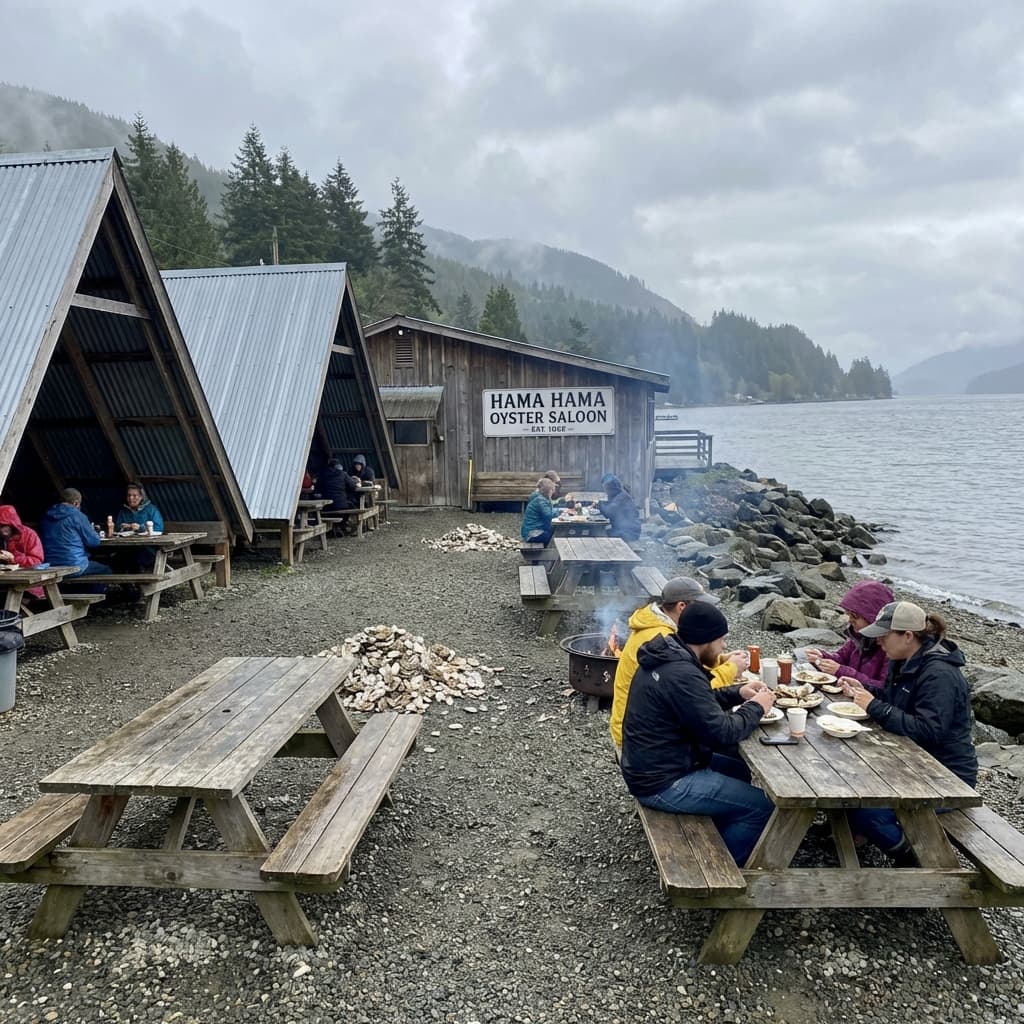
Where to eat oysters instead
The Hama Hama Oyster Saloon is about an hour and a quarter away by road and is the simplest way to eat Hood Canal oysters, because they grow and harvest their own. Its site describes it as an outdoor, farm-to-table eatery specializing in fresh shellfish grown and harvested by Hama Hama, on the shore of Hood Canal at 35846 N. US Hwy 101 in Lilliwaup.
Closer in, the Summertide Resort & Marina general store is a two-minute walk along the road, and Belfair, about twenty minutes east, has the nearest grocery stores and gas. There is more on the surrounding area, including drive times, in our Hood Canal guide.
Hama Hama Oyster Saloon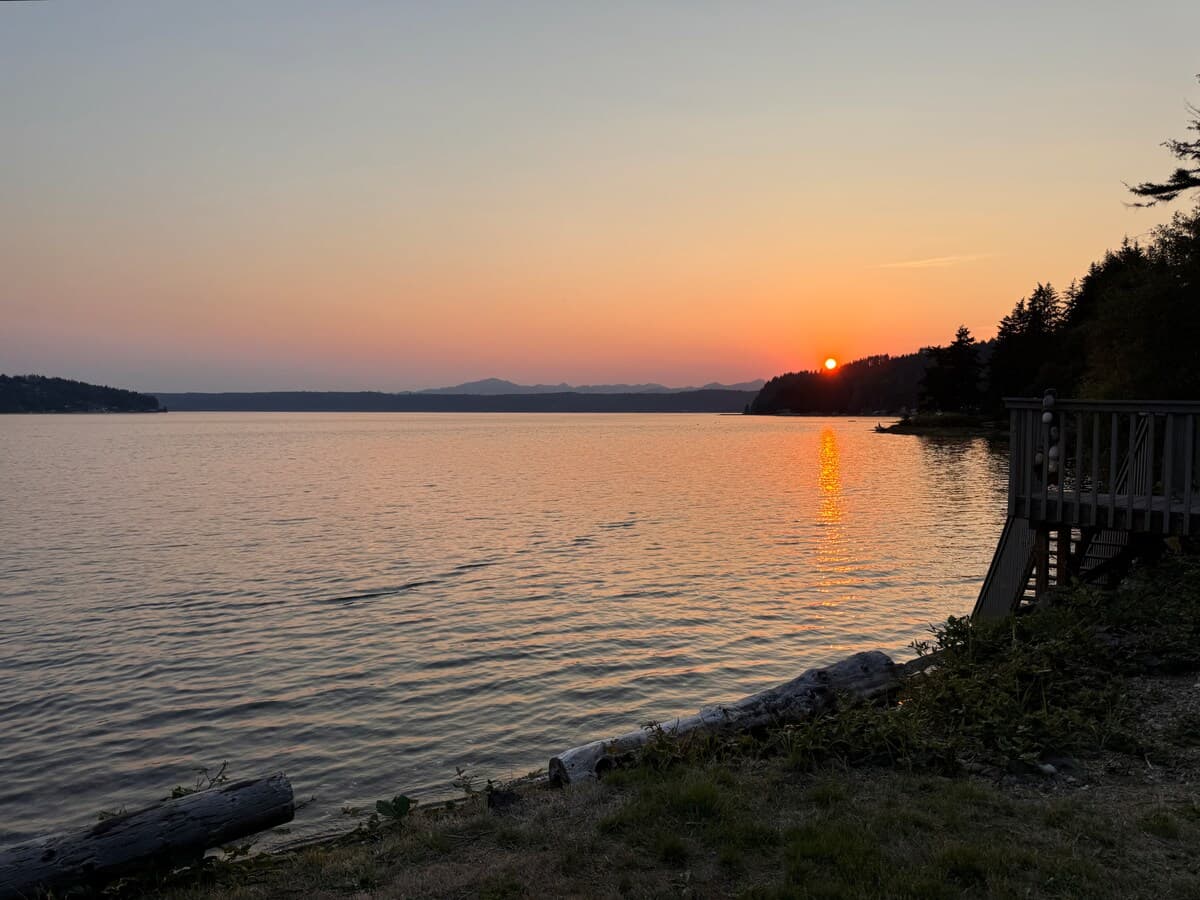
When is the best season for oysters on Hood Canal?
Winter is when the oysters are at their firmest and sweetest; spring, with its daytime low tides, is the easiest time to gather them.
Those are the two ends of the year. Summer brings warm afternoons and swimmable shallows. Fall is the quietest season here, with clear skies and salmon returning. Winter is woodstove weather, storm-watching from the bay window, and the oysters at their firmest and sweetest. Spring brings wildflowers, daytime low tides and the longest kayaking days; seal pups arrive in late summer.
A good season on the beach is not the same thing as an open harvest season. WDFW seasons vary by beach and DOH closures move independently of the calendar, so check both whatever month you are here.
Tides and safety
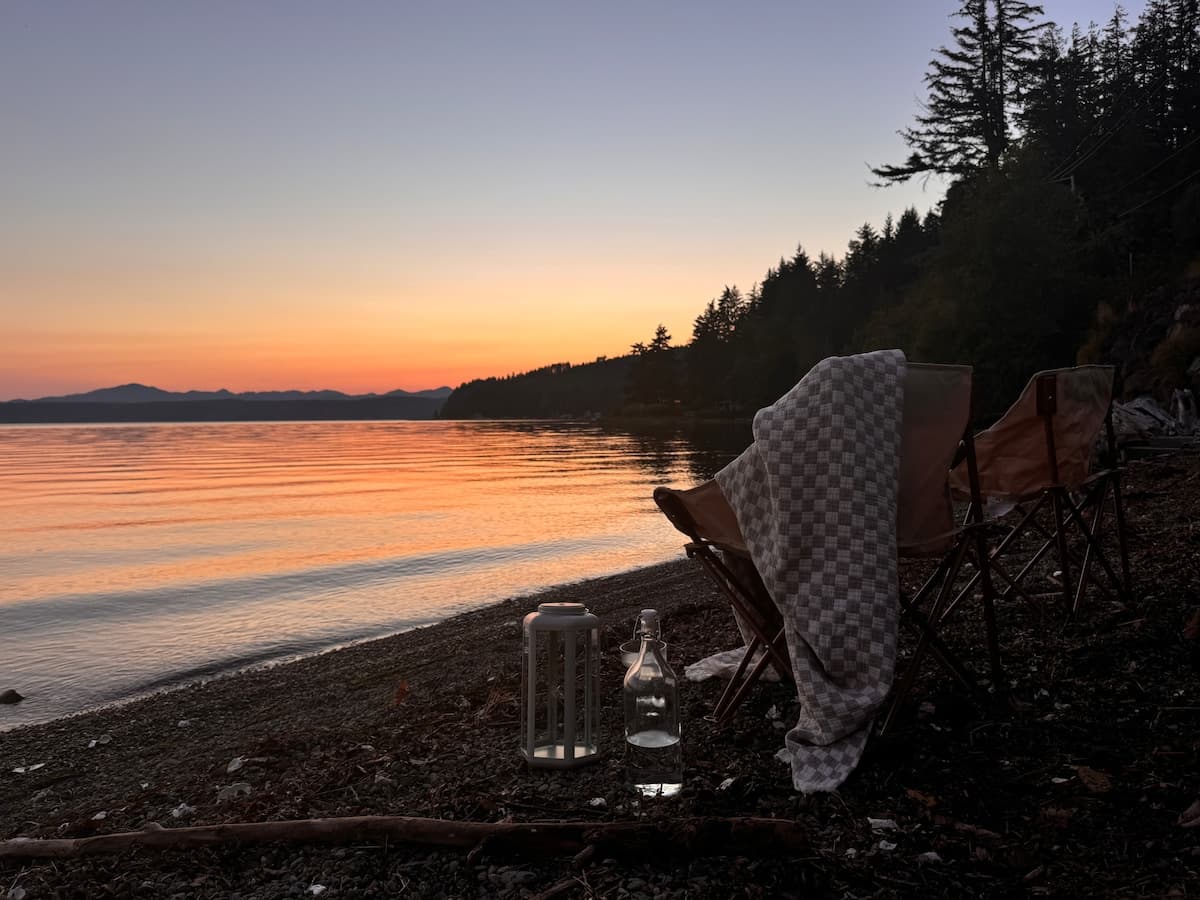
Check a tide table before you plan anything on the beach, and leave yourself margin on the way back. The tide turns on its own schedule, not yours.
The oyster bed is sharp and slippery. Guests recommend water boots, gloves and water shoes, and it is worth watching where children put their hands. The beach is private and quiet, with no lifeguard and no public access, so treat it the way you would any unsupervised shoreline.
Kayaks and paddle boards are kept at the property. Launch and return with the tide in mind rather than the clock, and if the water looks wrong for it, the deck and the woodstove are both still there.
Kayaks and the beachSources
Washington Department of Fish and Wildlife — Shellfishing regulations, Clam, mussel, and oyster harvest, Fishing licenses, and the March 2026 news release on shellfish harvest rules.
Washington State Department of Health — Recreational shellfish, Shellfish harvest planner, Shellfish beach closures, and the Washington Shellfish Safety Map.
Hama Hama Oyster Saloon — hamahamaoysters.com. Rules and closures change; these pages are the current word, not this one.